3D illustrations: how to explain the treatment plan to the patient
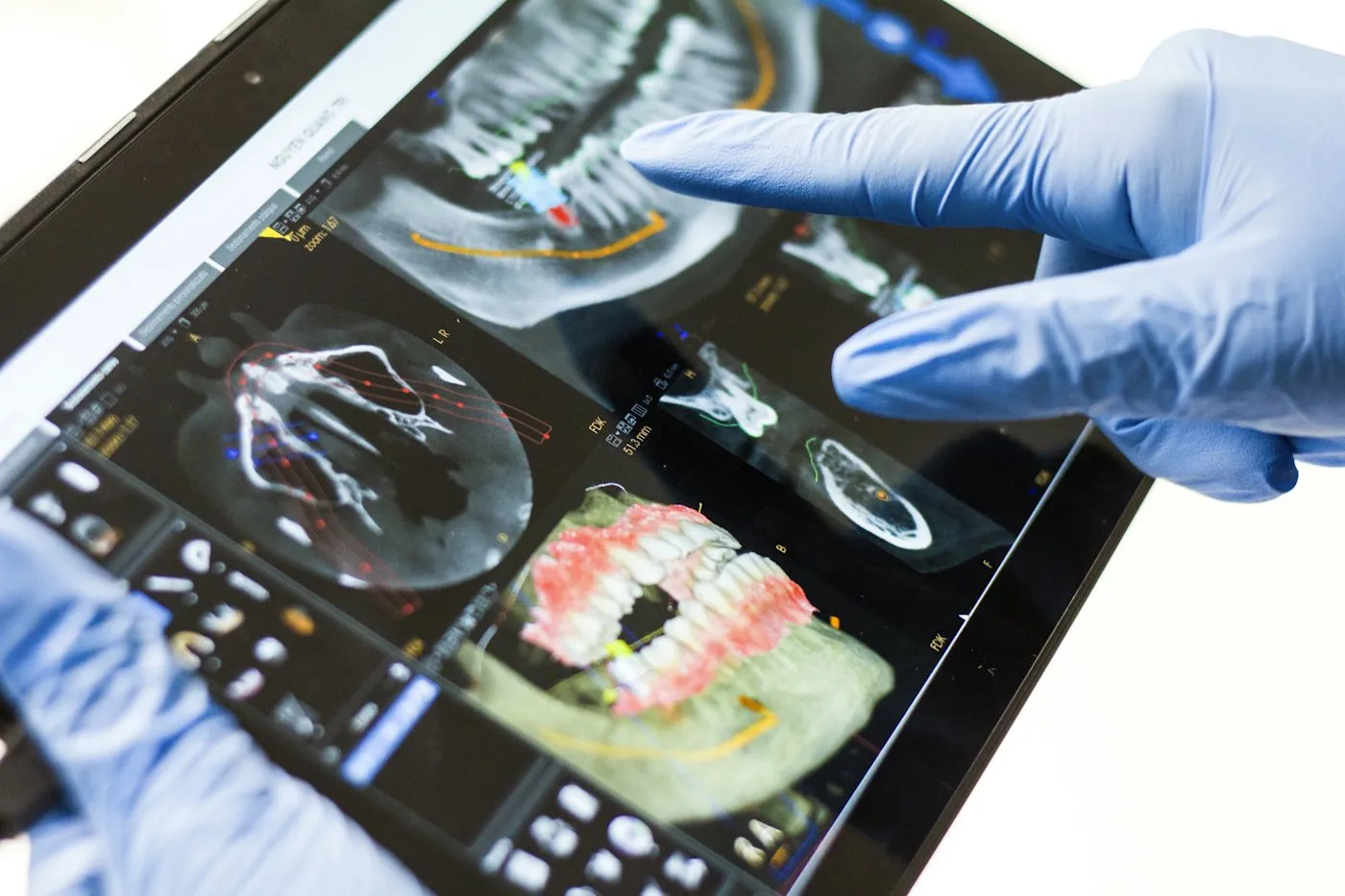
A treatment plan can be clear to the dentist and unclear to the patient. Terms like "endodontics", "crown" or "implant" do not give a picture, and a patient who does not understand the plan is more likely to hesitate, to ask later or not to accept it. 3D illustrations aim to solve exactly this: to show the patient what will be done, on which tooth and why. This article explains how we use them in doktor.al, what research says and what the limits are.
Why a picture helps more than a spoken explanation
People remember better what they see. A recently published systematic review assessed the effectiveness of video animations as a tool to improve recall of health information. It found that animations improved short-term recall in adults compared with usual care, across several healthcare settings, and the animations included ranged from 2D drawings to 3D graphics [1].
It is important to be precise about what this means and what it does not. The review covers healthcare in general, not dentistry. We did not find a study that specifically tested whether 3D tooth illustrations improve understanding of a treatment plan or the quality of informed consent. So we can reasonably say that visuals help information to be remembered; we cannot say that our illustrations raise treatment acceptance by a given percentage.
What the 3D illustrations in doktor.al are
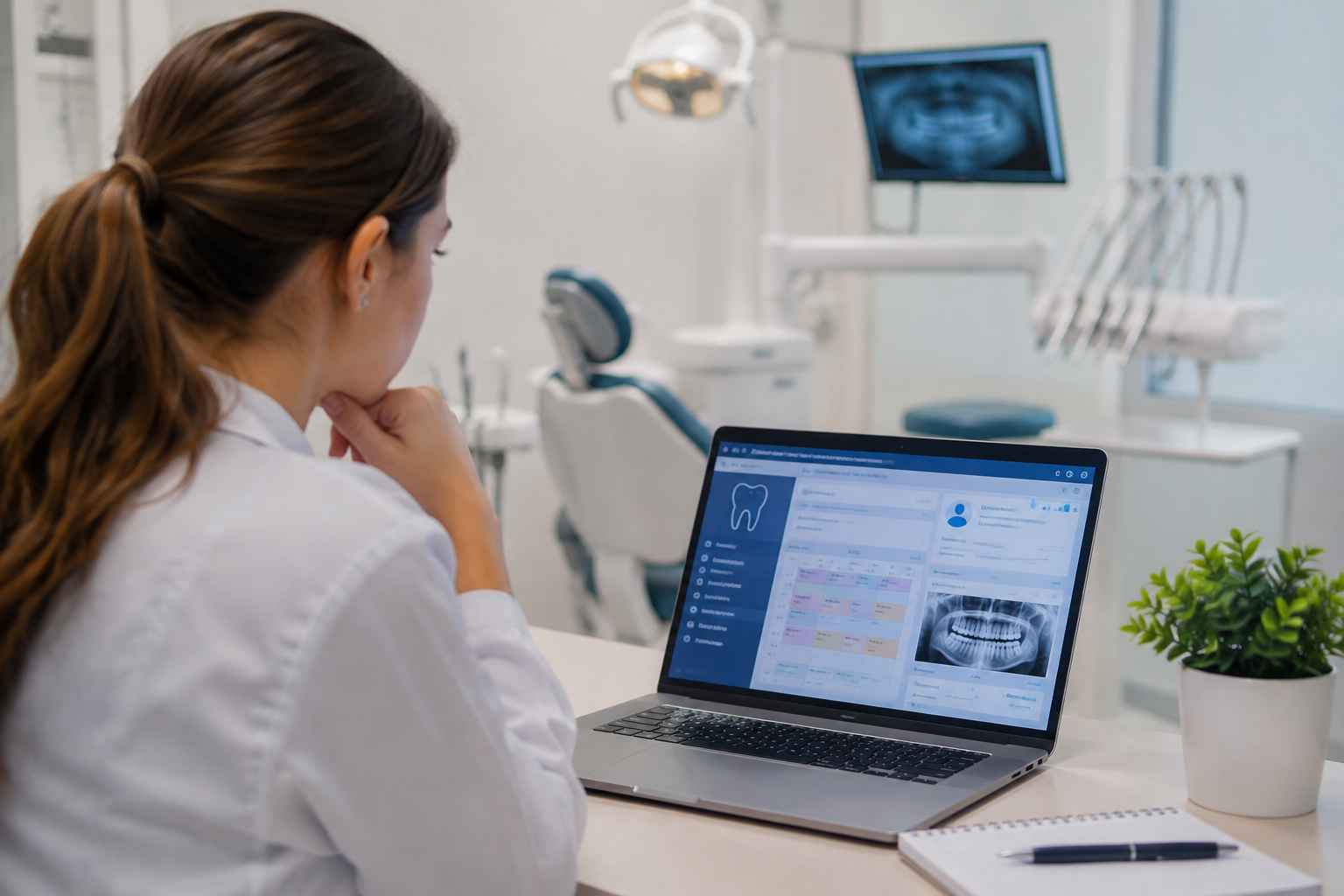
In the app, the dentist can show the patient a three-dimensional model of the jaw with the teeth marked, so that the condition of each tooth and the planned intervention are tied to a picture, not just a number (using FDI numbering). The illustration serves to explain the plan; the plan itself is kept in the patient's chart. You can see it on the page for dental clinics.
How to use them in a consultation
- Start with the patient's question. Ask what worries them before showing any model. The illustration should answer a concern, not cover it.
- Show the problem, then the solution. Mark the tooth with its current condition, then the proposed intervention and, where there are any, the alternatives.
- Use plain words. A good picture with hard terms loses its value. Explain it in the patient's own words.
- Ask them to repeat it back. The question "How would you explain this at home?" quickly shows what was understood and what was not.
- Link it to the quote. Once the plan is clear, the patient should also see the cost and the phases, in one document (invoicing and quotes, in Albanian).
The limits to keep in mind
- An illustration is not informed consent. Consent needs a conversation: the risks, the alternatives, the cost and the chance to ask questions. The picture supports the conversation, it does not replace it.
- A model is general. It does not represent each patient's anatomy exactly. Tell the patient when an illustration is schematic.
- A beautiful picture is not a guarantee of outcome. Do not use it to promise an aesthetic or clinical result you cannot guarantee.
- Some patients prefer written material. Keep a summary the patient can take away or look at later.
Think about accessibility too: a patient with poor eyesight, or who is not comfortable with technology, may need more time in front of the screen. Always offer to explain without the illustration, and do not rush the patient to decide at once.
A consultation example
Imagine a patient with a deeply decayed tooth who is offered a root canal and a crown. Without a picture, the dentist says "you need endodontics and a crown", and the patient hears two unfamiliar words and sees a cost. With an illustration, the dentist shows the tooth, explains where the decay is, what will be cleaned and why the crown protects the tooth afterwards. The patient asks more concrete questions: how many sessions, what happens if I wait, is there an alternative. This is an illustrative example of the process, not a measured result.
Four questions before you use an illustration
- Does this illustration answer the question the patient has, or one they did not ask?
- Is there an alternative I should show as well?
- Does the patient know what cannot be guaranteed?
- Have I noted in the chart what was explained and what the patient accepted?
Illustrations and patients from abroad
For clinics that work with dental tourism, a picture is especially useful when the patient and the dentist do not speak the same language well. It does not replace translating the medical history and the plan, but it makes the conversation easier. See more on the page for dental tourism software.
In summary
Visuals and animation have general evidence that they help health information to be remembered, but no direct evidence for dental plans with 3D. Use them to support the conversation with the patient, not to replace it, and keep the plan in the chart so that it matches what was shown. If you want to see the illustrations in action, see the dental clinic version or ask for a demo.
Sources
- The Effectiveness of Video Animations as a Tool to Improve Health Information Recall for Patients: Systematic Review. PubMed (PMID 39753224).
This article is general information, not clinical advice. The cited source covers healthcare in general and did not specifically test dentistry.